The Best Time for a Phinisi Cruise Bali: A Guide to Dry Seasons and Calm Seas
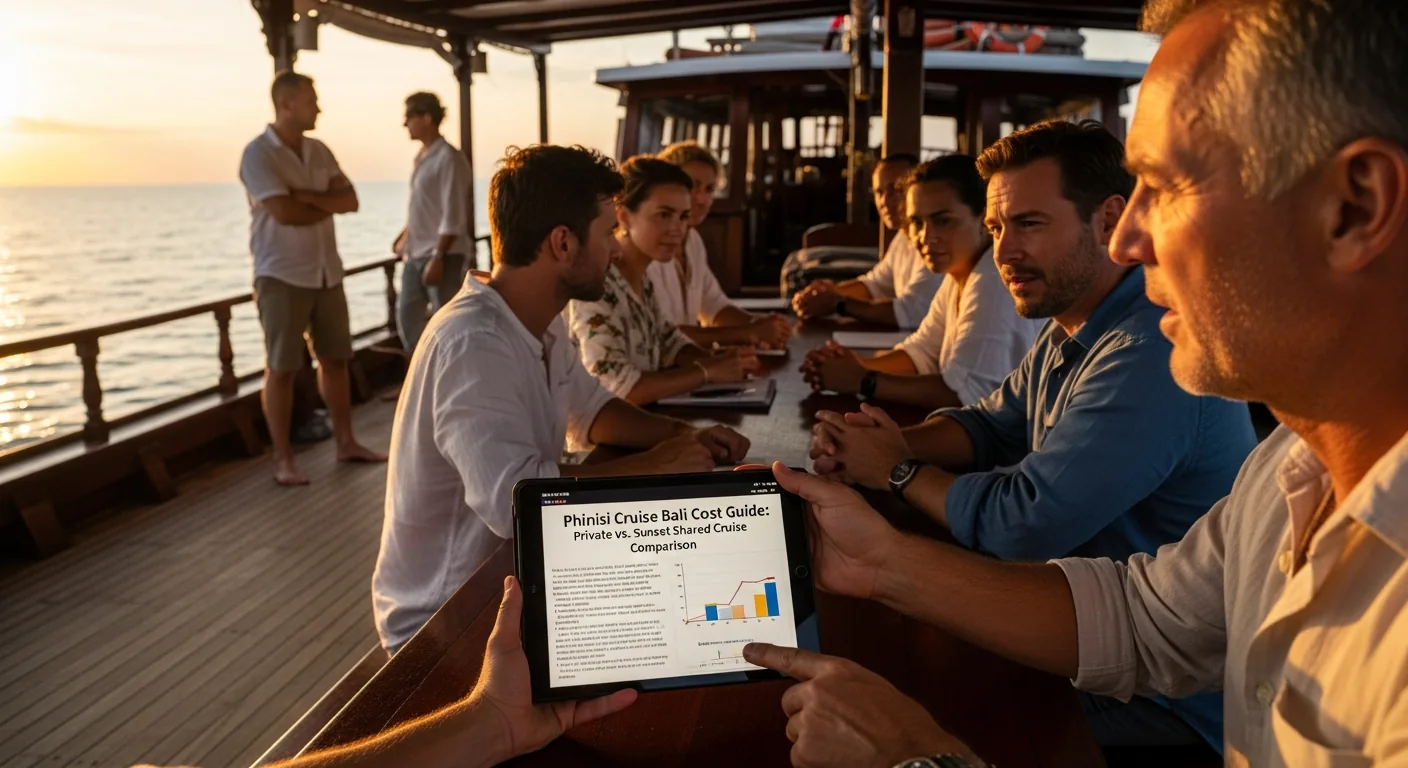
The late afternoon sun casts a warm, amber light across the Badung Strait. From the bow of a hand-crafted ironwood schooner, the silhouette of Mount Agung rises against a sky streaked with violet and rose. The gentle creak of the rigging, the whisper of the sea against the hull—this is the sensory signature of a phinisi cruise. It is an experience defined by nuance and timing. The central question for any discerning traveler, family, or corporate planner is not simply whether to charter a traditional vessel, but precisely when. The difference between a placid sail over turquoise water and a challenging passage through choppy seas is a matter of months, sometimes even weeks. This is the definitive guide to aligning your expectations with Bali’s distinct maritime calendar.
Navigating Bali’s Two Seasons: The Decisive Factor for Your Phinisi Charter
Bali’s climate, governed by its position just 8 degrees south of the equator, is deceptively simple. It is a tropical landscape dictated not by four distinct seasons, but by two: the dry and the wet. Understanding the character of each is fundamental to planning any sea-bound excursion, from a brief Bali phinisi sunset sail to an extended private charter. The choice of season directly influences sea conditions, visibility for snorkeling, and the overall quality of your time on the water. See also: book Private Vs Sharing Cruise.
The Dry Season (typically April through October) is widely regarded as the prime period for a phinisi cruise Bali. This interval is characterized by lower humidity, consistent sunshine, and minimal precipitation. Southeast trade winds prevail, generally resulting in calmer seas, particularly on the leeward side of the islands. Air temperatures hover comfortably between 27-30°C (80-86°F), while sea temperatures remain a welcoming 26-29°C (79-84°F). These predictable conditions make for reliable scheduling and superior comfort aboard your Bali traditional schooner.
Conversely, the Wet Season (November through March) presents a more complex picture. Governed by the northwest monsoon, this period brings higher humidity and frequent, though often brief, tropical downpours. While it’s a misnomer to imagine constant rain—showers are typically intense but short-lived, often occurring in the afternoon—the primary concern for mariners is the sea state. The winds can generate significant swell, making passages to exposed locations like Nusa Penida’s southern coast more challenging. However, for the flexible traveler, this season can offer its own rewards, including fewer vessels on the water and dramatically atmospheric skies.
The Prime Window: Why April to October Defines the Ideal Bali Phinisi Sunset Cruise
Within the celebrated dry season, certain months offer distinct advantages. The period from April to October is not a monolith; it’s a spectrum of conditions that cater to different priorities. Selecting the perfect time for your phinisi bali cruise requires a closer look at this six-month window. See also: Phinisi Cruise Bali.
April, May, and June: The Verdant Shoulder Season
These months represent a strategic sweet spot. Emerging from the wet season, the island’s landscapes are exceptionally lush and green. The air is clear, and tourist arrivals have not yet reached their summer peak. For a phinisi day cruise Bali focused on snorkeling or diving, this is an exemplary time. Water visibility, particularly around Nusa Penida’s famed sites like Crystal Bay and Gamat Bay, can exceed 20 meters. The seas are generally calm, making the crossing from Benoa Harbor smooth and pleasant. It is a period of tranquility, ideal for couples and families seeking a more serene experience.
July and August: The Peak of Dry Season
This is Bali’s high season, and for good reason. The weather is at its most stable, with day after day of uninterrupted sun. These are the driest months of the year, with rainfall being a true rarity. However, this period is also defined by the strongest of the southeast trade winds. While these breezes are a welcome refreshment from the tropical heat, they can create a moderate chop on the water, especially in open channels like the Bali Strait. A veteran phinisi captain, with over 20 years of experience navigating these waters, notes, “In August, we watch the afternoon winds. We may adjust our anchorage at Nusa Lembongan to the more protected northern bays. The vessel is built for it, but comfort is paramount.” For those planning corporate events or larger gatherings, the reliability of the weather in July and August often outweighs the slightly more active sea state.
September and October: The Connoisseur’s Choice
As the peak season crowds begin to thin and the winds start to abate, September and October emerge as arguably the finest months for a phinisi cruise Bali. The weather remains superb, but the sea returns to a glassy calm. This is the heart of the season for spotting specific marine megafauna. The elusive Mola Mola (Oceanic Sunfish) is most frequently sighted from July to October, while conditions at Manta Point are often perfect, with clear water and a high concentration of the resident reef mantas. The sunsets during these months are consistently spectacular. For photographers and marine life enthusiasts, this is the undisputed optimal period.
Understanding the Wet Season: Is a November to March Phinisi Day Cruise Bali Possible?
Chartering a phinisi during the wet season is not out of the question, but it requires a different mindset and a degree of flexibility. The allure lies in significant value and a sense of exclusivity, with Bali’s waters feeling more private than during the high season. Private charter rates for a full-day expedition to Nusa Penida can see a reduction of 15-25%, potentially lowering a standard $2,400 USD trip to around $1,800 USD. See also: explore Home.
The primary challenge is the weather’s unpredictability. While many days are perfectly fine for cruising, the risk of a sudden squall or a day of persistent rain is real. The northwest winds, particularly potent in January and February, can create rough sea conditions that may lead to itinerary changes or, in rare cases, cancellations for safety reasons. Snorkeling visibility can also be affected by runoff from the islands after heavy rain. See also: explore Contact.
However, the wet season has its own unique aesthetic. The cloud formations build into dramatic, towering structures that create some of the most intensely colored sunsets of the year. For a short Bali phinisi sunset cruise from the relative shelter of Benoa Harbor, the risk is minimal and the reward can be a truly memorable spectacle. It is a viable option for last-minute planners or those for whom budget is a primary consideration, provided they approach it with an adaptable attitude.
Comparative Analysis: Bali’s Cruising Seasons
| Attribute | Dry Season (April – October) | Wet Season (November – March) |
|---|---|---|
| Sea Conditions | Generally calm to moderate chop, especially in the morning. Predictable. | Variable. Can be calm, but risk of significant swell and chop from NW winds. |
| Weather | Consistent sun, low humidity, minimal rain. | Higher humidity, frequent but short afternoon showers, risk of storms. |
| Water Visibility | Excellent, often 15-25+ meters at prime snorkeling/diving sites. | Good, but can be reduced by land runoff after heavy rainfall. |
| Pricing | Peak season rates. A sharing sunset cruise is approx. $80-$120 USD/person. | Lower rates, potential for 15-25% discount on private charters. |
| Crowds | Higher number of boats, especially in July and August. | Significantly fewer boats, offering a more exclusive feel. |
A Month-by-Month Analysis for Your Bali Traditional Schooner Experience
To further refine your decision, a detailed monthly breakdown is essential. This table highlights the specific nuances that can shape your phinisi journey, from marine life encounters to the general atmosphere on the water.
| Month | Sea Conditions | Weather | Marine Life Highlights | Crowd Level | Recommendation |
|---|---|---|---|---|---|
| April | Calm, excellent | Sunny, low humidity, clear | Good Manta Ray sightings, vibrant reefs | Low-Medium | Excellent for photography and serene cruising. |
| July | Moderate afternoon chop | Very dry, sunny, breezy | Start of Mola Mola season, high Manta activity | High | Ideal for those prioritizing guaranteed sunshine. |
| September | Very calm, glassy | Dry, sunny, less wind | Peak Mola Mola and Manta Ray season | Medium-High | Arguably the best overall month for conditions and wildlife. |
| December | Variable, can be choppy | Humid, afternoon showers | Manta Rays present, but visibility can vary | High (Holidays) | Viable for sheltered sunset cruises; book with a flexible itinerary. |
| February | Often rough, strong NW winds | Peak of wet season, high rain chance | Marine life is present but access to sites can be limited | Low | Recommended only for the most flexible and sea-hardy travelers. |
Beyond the Weather: Tides, Swells, and Local Events to Consider
A sophisticated travel plan looks beyond simple meteorology. Several other factors can influence the quality of your phinisi cruise Bali. Understanding these elements allows for a truly tailored experience.
- Tidal Patterns: The daily ebb and flow of the tide significantly impacts snorkeling and anchorage. A low tide at a site like the Mangrove Forest on Nusa Lembongan can expose delicate coral gardens, while a high tide is necessary to access certain shallow bays. Our captains plan each day’s itinerary around the tidal charts to ensure optimal access and safety.
- Ocean Swells: Independent of local winds, groundswells generated by distant storms can travel thousands of kilometers to reach Bali. These are a major factor for accessing exposed coastlines, such as the spectacular cliffs of Kelingking Beach on Nusa Penida’s southwest shore. We consult reliable swell forecasts from sources like Surfline to assess conditions and advise on the feasibility of visiting such locations.
- Cultural Calendar: Bali operates on a unique rhythm of ceremony and observance. The most significant event is Nyepi, the Balinese Day of Silence, which typically falls in March. On this day, the entire island, including its airports and seaports, shuts down completely for 24 hours. No travel of any kind is permitted. It is a profound cultural experience, but one that must be planned around, as no phinisi cruises can operate.
Securing Your Ideal Date: A Strategic Booking Guide for a Phinisi Cruise Bali
The demand for authentic phinisi experiences, especially for private charters, requires forward planning. A private charter for a full-day Nusa Penida trip for up to 12 guests can range from $2,200 to $3,500 USD, and securing the premier vessels on ideal dates follows a clear seasonal pattern.
Your booking strategy should be dictated by your chosen travel window:
- Peak Season (July-August): For these months, it is advisable to make reservations 6 to 9 months in advance. This is especially critical for corporate teams or multi-family groups requiring specific dates or larger schooners.
- Shoulder Seasons (April-June, September-October): A booking window of 3 to 4 months in advance is generally sufficient to secure your preferred vessel and date. This period offers more flexibility than the peak summer rush.
- Wet Season (November-March): Aside from the Christmas and New Year period, booking can often be arranged 1 to 2 months out. This allows for a closer look at long-range weather forecasts before committing.
Whether you are planning an intimate sunset sail for two or a comprehensive multi-day charter, early consultation with our specialists ensures that your vision aligns perfectly with the maritime realities of Bali. The best time for a phinisi cruise is not just a date on a calendar; it is a carefully considered decision that sets the stage for a flawless experience on the water.
Reserve Your Bali Traditional Schooner
The ideal conditions await. To discuss your private charter, corporate event, or a place on a sharing cruise during Bali’s prime sailing season, we invite you to contact our specialists. We will provide tailored advice based on your dates and preferences to ensure your time on the water is exceptional.
Phone: +62 811-3823-875
Email: sales@komodoluxury.com
Office: Jalan Sunset Road No. 88, Kuta, Badung, Bali 80361